The Story
One night in 1928. A blues empress, a midtown party, and a slow burn that set Harlem buzzing.
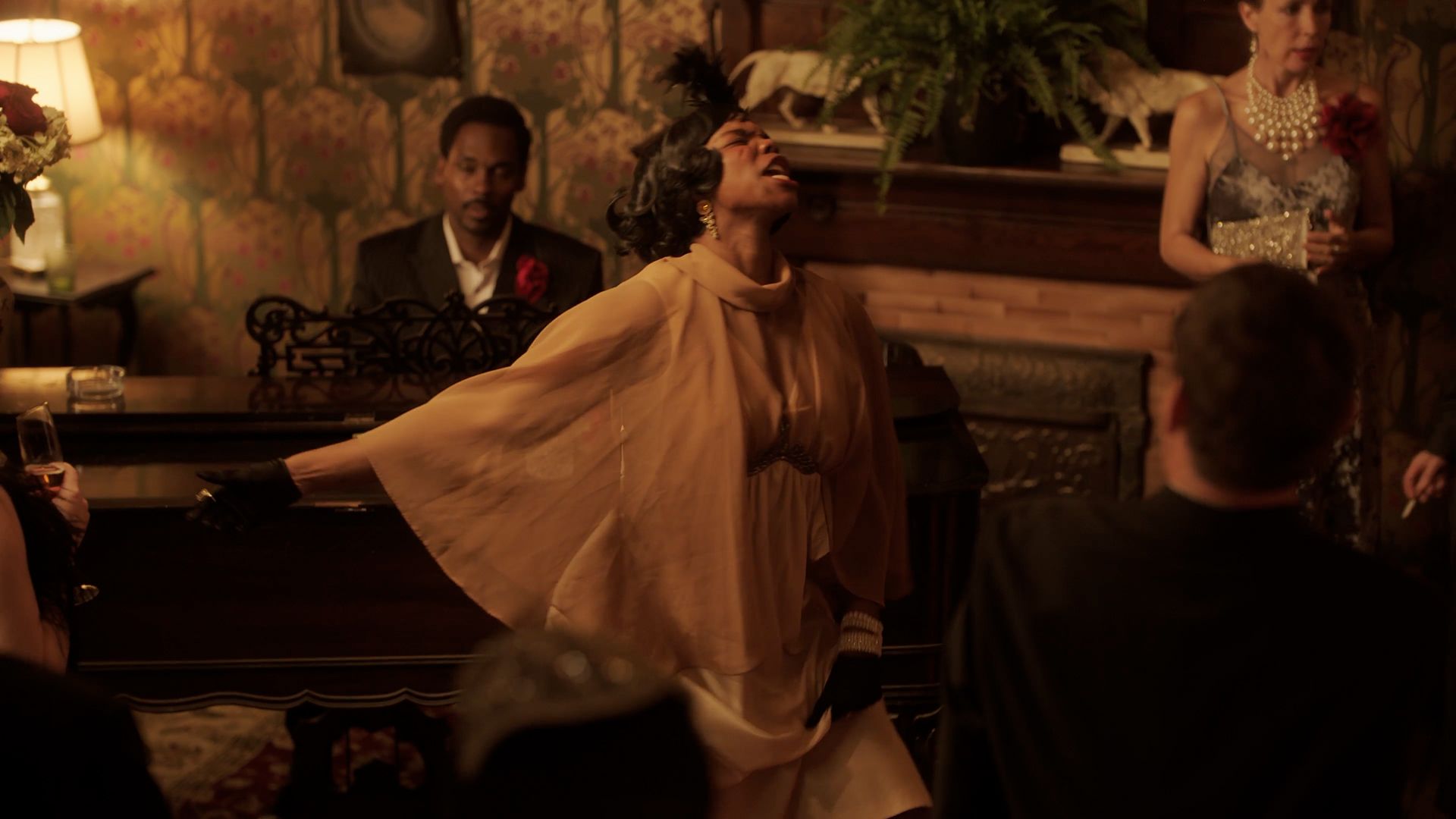
The story covers a night in 1928 that set Harlem buzzing. The principal players were all well-known... and all queer. Bessie Smith, possessing one of the greatest voices in blues, is performing at Harlem’s Lafayette Theater and just wants to rest between shows.
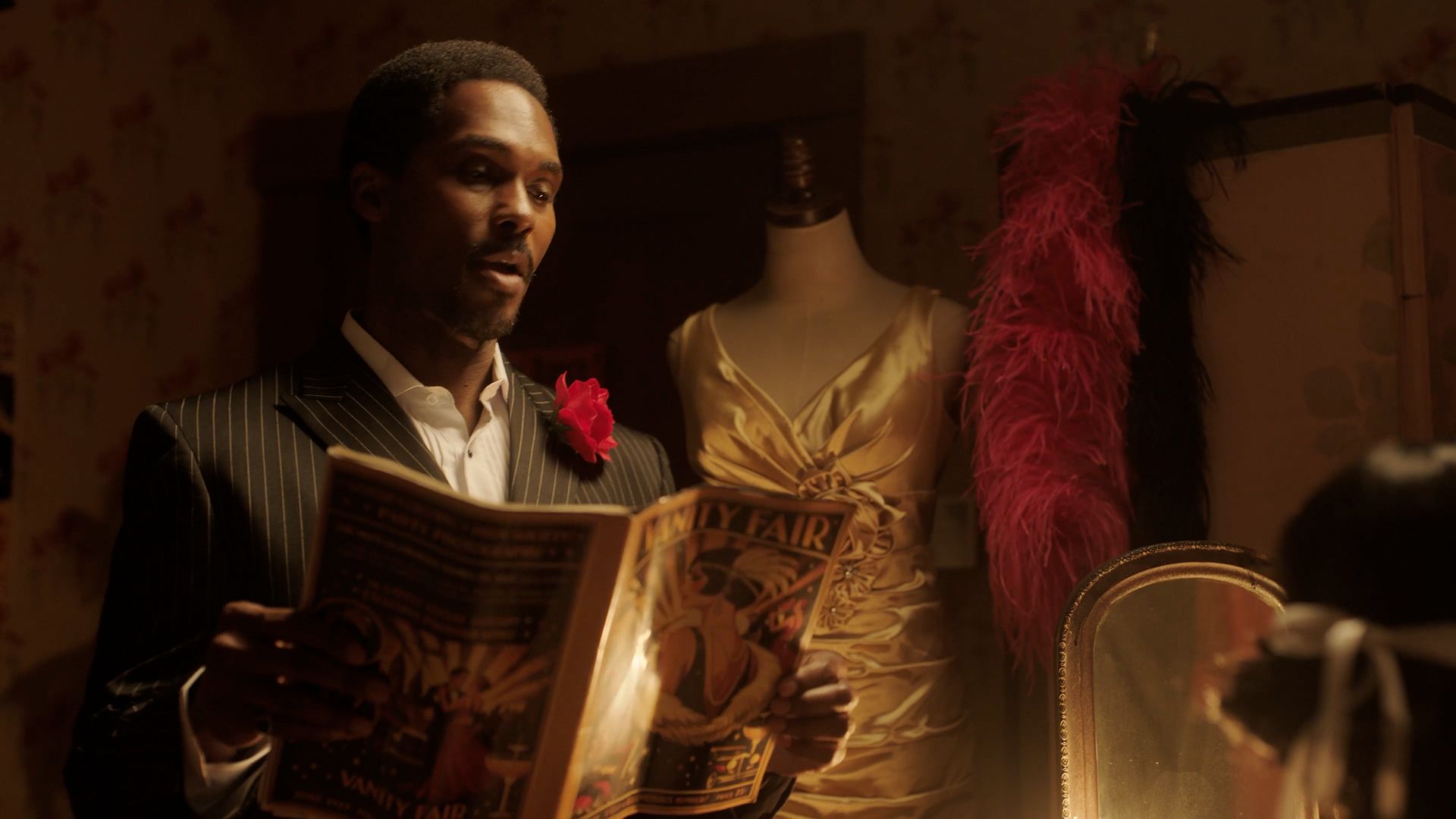
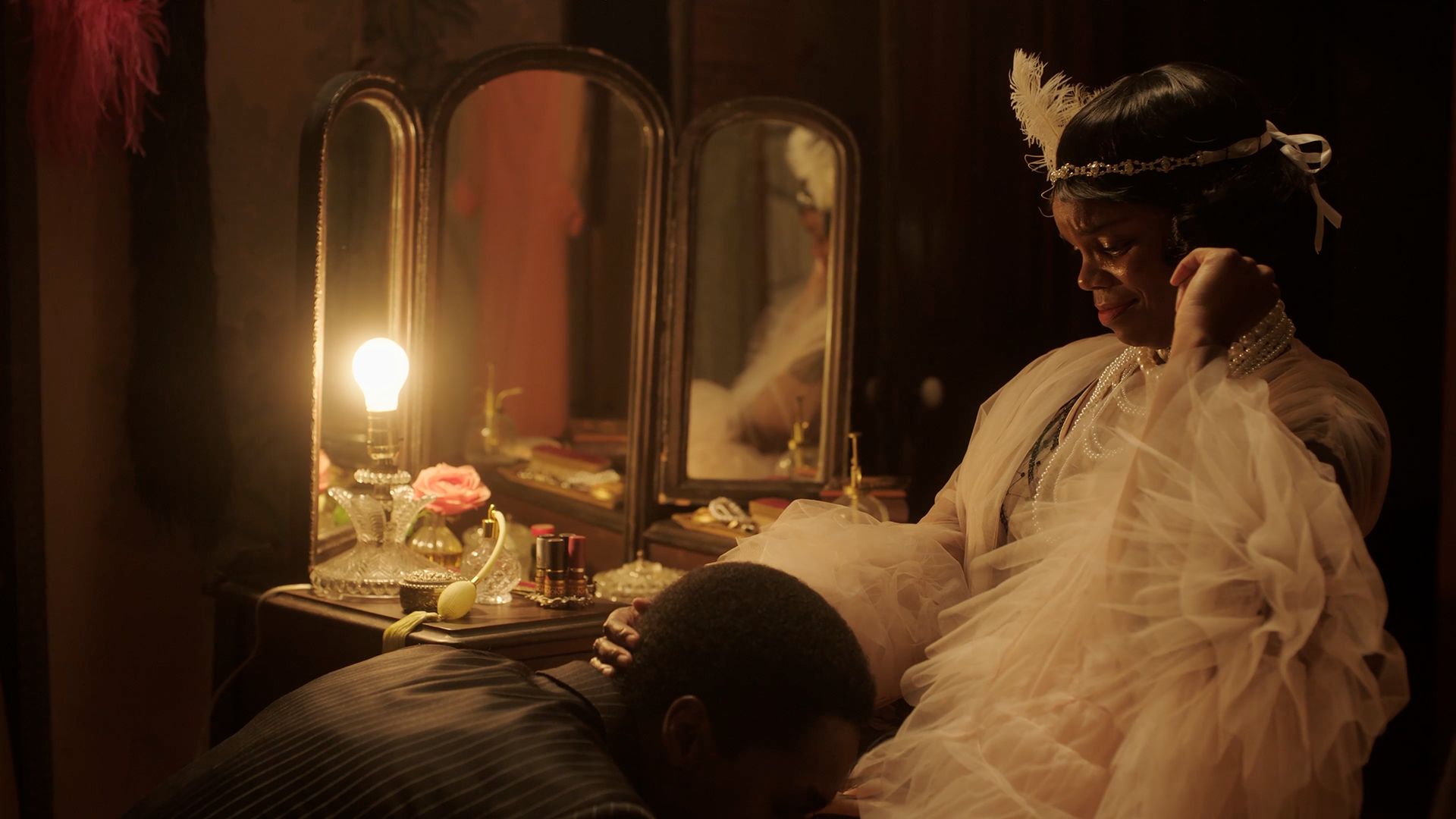
Porter Grainger, Bessie’s musical director and aspirant to New York’s interracial gay circles, cajoles the diva into attending a midtown Manhattan party hosted by... Carl Van Vechten, a white writer and self-styled publicist for the Harlem Renaissance. Bessie will be his trophy entertainer for the night. We follow Porter and Bessie from the theater dressing room to Van Vechten’s posh midtown apartment, where Bessie’s slow burn explodes.
Director’s Statement
Bessie Smith did not command the stage. She demanded the world’s attention, at a time when society told women to be quiet. She wasn’t just a star, she was a storm. She was the Empress of the Blues, and it is an honor to direct this film about her.
“Bessie Shows Her Ass,” written by Robert Philipson, amplifies the legacy of one of the most dynamic voices of the Harlem Renaissance. That period of history often spotlights the men, like Langston Hughes and James Baldwin, and they were amazing. But the women were its backbone, and no one embodies that more than Bessie. She was outspoken and brave, and she was vulnerable too. She is a masterclass in raw authenticity.
Did you know she starred in the groundbreaking film “St. Louis Blues”? Or that she is an inductee of the Blues Hall of Fame? If not, that is exactly why this film needs to be made. It is a chance for audiences to see her essence on screen, and to learn more about the woman who forced the world to listen.
This film is personal to me, because Bessie’s story isn’t only about music. It is about power, protest, and pride. I became a filmmaker to tell women’s stories, and I see so much of Bessie in my own journey. Black women, then and now, are constantly overlooked in this industry. We are asked to shrink ourselves. Our stories get boxed in by stereotypes and limited distribution, and when we speak up, we are judged for our boldness. We have to be loud to be heard, and Bessie lived that through and through. She is the blueprint.
I am also proud to be an ally to the LGBTQIA+ community. Bessie was part of it, proud and bold at a time when there were no letters and no flags. We are seeing more of these stories told today, but they are still too often filed as “those kind of movies” instead of being embraced as human stories. Nina Simone, one of my favorite artists along with Bessie, often said it is an artist’s duty to reflect the times. Bessie’s story is history, but her influence endures. Her struggles remain painfully current, and her courage still holds lessons for us. Those of us out here hustling and forging a path are able to do it because we stand on the shoulders of women like Bessie, who showed us it is okay to take up space in a world that often tries to make us small.
“Bessie Shows Her Ass” is more than a film. It is a love letter to her spirit, and a reminder that it is okay to be fearless in the choices we make. It is also a call to action: a movement to restore Bessie Smith’s rightful name and place in cultural history.
After seeing Brittany Inge’s magnetic portrayal of Bessie, we hope audiences will want to know more about her life, her music, and her influence. This story needs to be told, and her name should keep being mentioned among the greatest artists of the Harlem Renaissance.
— Cas Sigers-Beedles, Director
Writer’s Statement
My production company, Shoga Films, is committed to making documentaries and narrative shorts about the Queer Harlem Renaissance. To that end, I’ve written and produced two widely acclaimed narratives, “Congo Cabaret” and “Smoke, Lilies and Jade.” The scripts for these films were adapted from literary sources written by queer writers with explicitly queer characters.
“Bessie Shows Her Ass” takes a different tack. It is based on a real-life clash, a night when the famous blues diva Bessie Smith got drunk at a posh midtown party and smacked the wife of the host to the floor. The main characters in this scenario are all queer – Bessie is bisexual; Bessie’s accompanist Porter Grainger is gay, the white host Carl Van Vechten is bisexual – but their queer sexuality, while essential to the eventual explosion, is not foregrounded. Issues of class and race are far more prominent, and yet this adaptation of a well-known incident (even Langston Hughes wrote about it in his autobiography) is absolutely part of the Queer Harlem Renaissance.
— Robert Philipson, Writer & Producer